Complete Guide to Proper Dumpster Loading
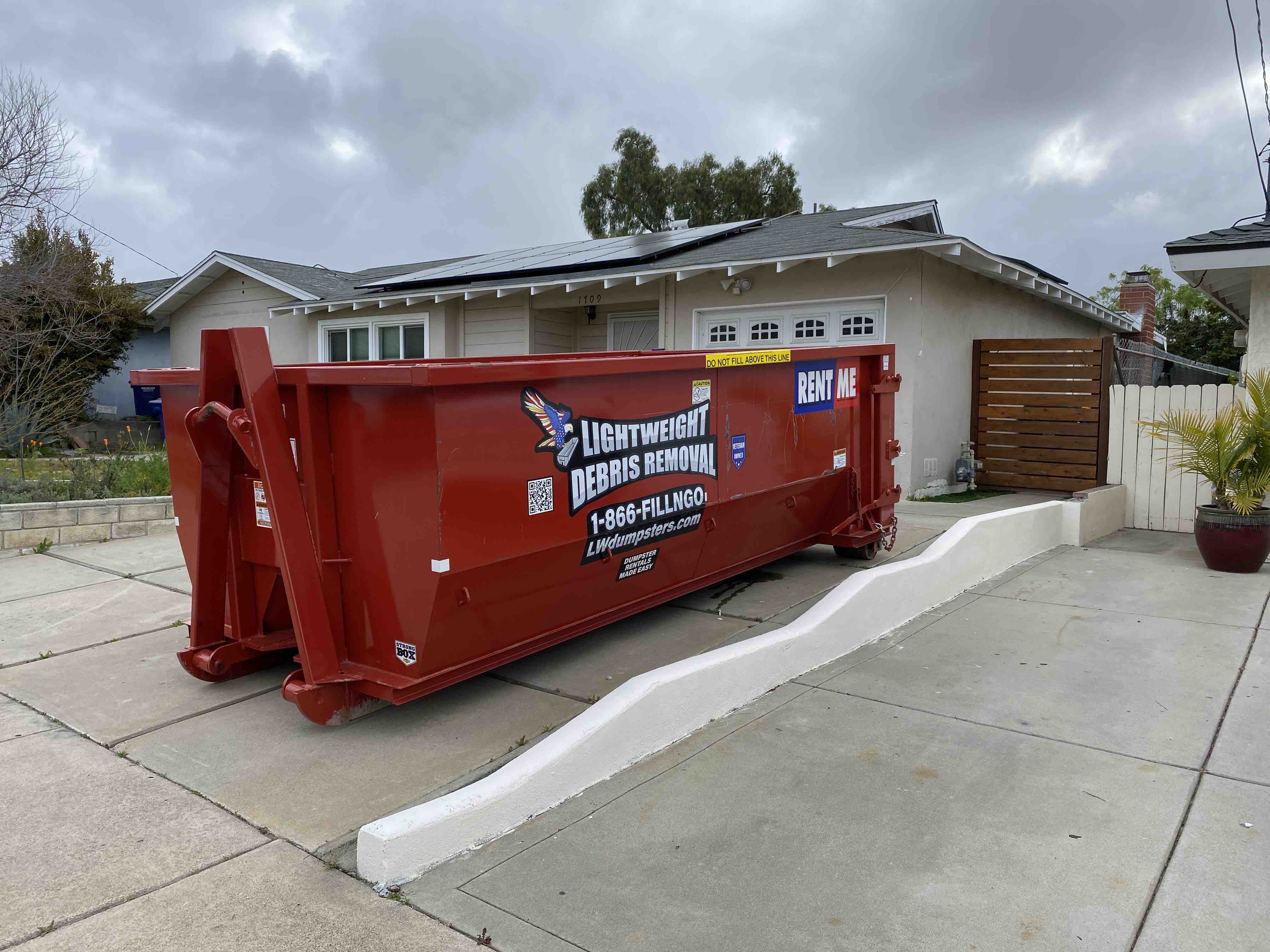
When handling a cleanup, remodeling, or construction task, you might think dumpster loading is an easy step. But the way items are positioned affects how efficiently you use space, how safely you work, and how quickly you finish. Many people overlook the importance of proper dumpster loading, resulting in inefficient space use, potential danger, and extended work time.
At Lightweight Debris Removal, we emphasize that proper dumpster loading is just as vital as choosing the right container size. A systematic method allows you to fully utilize your dumpster and maintain a safe work zone. Our aim is to help customers gain the most from their rentals by teaching proper loading techniques that reduce mess, prevent breakage, and simplify disposal.
Planning Before You Start Loading
Before filling the dumpster, taking time to organize is essential. Assess your waste materials to determine what can be recycled or requires specific disposal. Sorting ahead of time promotes a smooth workflow and limits the need for reorganization later. You’ll also ensure safer handling since sharp or dangerous items are separated.
Mapping out the order of loading matters just as much. Place heavier or bulkier items first to form a solid base. Then add lighter or smaller debris to fill remaining gaps. Smart preparation reduces the risk of load shifting or tipping during pickup. Strategic organization leads to safer, faster, and more effective loading results.
Maximizing Dumpster Space
Getting the most out of your dumpster starts with space efficiency. Break down bulky items such as furniture or large appliances before placing them inside. Flattening boxes, removing doors, and taking apart parts allows more capacity and prevents wasted space. Doing so enables more debris to fit while keeping the load balanced and organized.
You can also use a layering technique for smarter space allocation. Start with flat, dense materials on the bottom for support. Add lighter debris in between to fill open spaces. Keep the load within the dumpster’s limits to ensure safe transport. Layering effectively ensures a neater, safer, and more productive loading experience.
Maintaining Safety During Loading
Safety must always come first read more when loading a dumpster. Always wear gloves, closed-toe shoes, and suitable protective clothing. Before you start, ensure the area is free from obstacles or tripping hazards. Maintaining situational awareness prevents accidents and improves teamwork.
Refrain from throwing objects into the dumpster carelessly, since this could result in shifting, accidents, or property harm. Handle items with care and arrange them thoughtfully. For heavy items, always lift with help to stay safe. By practicing caution, you maintain both productivity and protection on-site.
Organizing and Managing Waste Materials Effectively
Sorting your waste both before and during loading is a simple yet powerful way to stay organized. Separate different materials like wood, metal, and household refuse for easier management. This practice makes loading and unloading smoother while simplifying disposal later. You’ll also easily spot recyclable materials, reducing waste and encouraging sustainable habits.
Proper organization eliminates the hassle of moving things around later. Position lighter, flexible materials toward the top layer and heavy ones beneath. This keeps lighter waste from being blown away and maintains load stability. Staying methodical enhances workflow efficiency and maintains professionalism.
Preventing Property Damage During Dumpster Placement
Dumpsters are durable, but the property underneath may need protection. Lay down wooden boards or protective padding to spread weight and guard driveways. Taking this measure prevents cracks, scratches, and wear during use.
Where you position the dumpster affects both convenience and safety. Opt for a stable, easy-to-reach area that won’t obstruct entryways or paths. Keep it at a safe distance from fences, walls, or gardens that might be impacted. Thoughtful setup ensures a smooth experience and minimizes potential property risks.
Efficient Dumpster Use for Major Projects
Major cleanup efforts can produce a steady stream of waste that requires planning. Prepare a sorting zone to prearrange waste and make the loading phase smoother. It promotes even weight distribution and reduces inefficiencies mid-project.
Strong collaboration and clear direction make the process more effective. Assign crew members to specific duties such as sorting, lifting, or compacting debris. A coordinated team ensures a quicker and more streamlined workflow. Planning and cooperation are vital for completing big projects without unnecessary setbacks.
Understanding Restricted Dumpster Items
Some materials can’t go into dumpsters, and understanding these limits is critical. Materials like paints, batteries, and chemicals require special disposal methods. Dumping restricted materials risks pollution and additional disposal problems. Always confirm what’s allowed before starting to load your dumpster.
Never load the container above its designated fill line or weight limit. An overfilled dumpster can create handling issues and pose transport hazards. By following proper load limits, you support responsible waste management. Awareness of limits helps avoid issues during collection and hauling.
Working with a Trusted Dumpster Service
Collaborating with a dependable provider makes any cleanup smoother and more efficient. Lightweight Debris Removal takes pride in providing professional dumpster rentals for residential and commercial use. We ensure on-time delivery, responsive assistance, and easy pickup for every customer.
Opting for a company that values service quality improves every project step. Prompt support, transparency, and reliability help maintain project flow. Lightweight Debris Removal is devoted to helping clients achieve organized, secure, and efficient results through expert guidance and responsible use.
Creating an Organized and Productive Worksite
Efficient dumpster loading directly impacts overall project productivity. A tidy site helps teams focus on tasks without unnecessary clutter or confusion. With smart loading strategies, cleanup becomes an effortless part of the workflow.
Lightweight Debris Removal reminds customers that dumpster loading is about more than getting rid of waste. This approach enhances safety, promotes productivity, and preserves property. Through foresight, precision, and teamwork, dumpster loading transforms into a vital part of success.